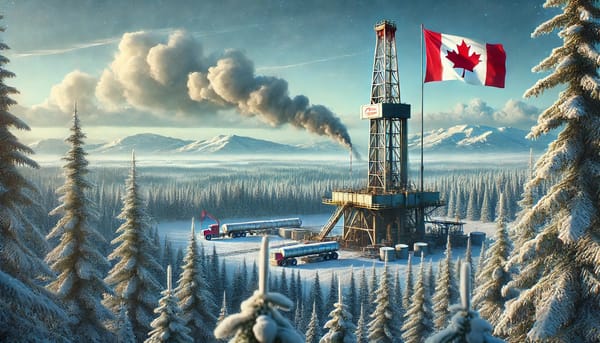
The Future of the Oil and Gas Industry in Canada: Navigating Change in the Face of Energy Transition
Introduction
As one of the largest producers of oil and gas globally, Canada’s economy and workforce have been historically tied to the fossil fuel industry. Yet, the country is also a leader in clean energy, committing to ambitious goals for carbon neutrality. With climate change policies tightening worldwide and technologies advancing, Canada finds itself at a crossroads. In this blog, we’ll delve into the future of Canada’s oil and gas industry, analyzing key challenges, opportunities, and what lies ahead as the country navigates a path toward sustainable energy without abandoning its crucial economic backbone just yet.
1. Current State of Canada’s Oil and Gas Industry
Canada ranks as the world’s fourth-largest oil producer, with Alberta’s oil sands serving as the focal point of production. In addition, Canada holds the third-largest reserves of crude oil, trailing only Venezuela and Saudi Arabia. The oil and gas sector remains a significant employer, providing thousands of high-paying jobs and contributing extensively to federal and provincial revenues.
1.1 Economic Importance
The oil and gas industry is vital to Canada’s GDP, generating substantial export income and funding social programs and infrastructure across the nation. In provinces like Alberta, Saskatchewan, and Newfoundland and Labrador, the industry contributes heavily to local economies, with Alberta alone receiving about 15% of its provincial revenue from the sector in recent years. However, as the world pivots to greener energy sources, Canada’s reliance on fossil fuels raises questions about economic resilience and adaptability.
1.2 Environmental and Regulatory Pressures
Global pressure to reduce carbon emissions has intensified, placing Canada’s oil and gas industry in the crosshairs. The Canadian government’s commitment to achieve net-zero emissions by 2050 and its participation in international climate agreements are driving regulatory shifts, such as carbon pricing and methane emission reduction targets. These regulations are impacting production costs and placing a premium on cleaner operations.
2. Challenges Facing Canada’s Oil and Gas Industry
2.1 Climate Change Commitments and Policy
The increasing urgency around climate change has spurred governments worldwide, including Canada’s, to implement policies that restrict carbon emissions. With Canada’s net-zero by 2050 pledge, the oil and gas industry faces regulatory hurdles that impact profitability and limit expansion. This policy landscape creates a challenging environment where companies are pressured to innovate or face declining margins and potentially stranded assets.
2.2 Market Volatility and Demand Fluctuations
Oil prices have always been volatile, affected by global events, geopolitical tensions, and market sentiment. The COVID-19 pandemic underscored this vulnerability, causing sharp declines in demand that impacted revenues across the sector. Going forward, uncertainties surrounding the pace of energy transition and global oil demand add layers of complexity to long-term planning for Canadian producers.
2.3 Public Perception and Social License
Public sentiment toward fossil fuels has shifted, with consumers, investors, and governments demanding greater environmental accountability. In Canada, this shift has led to opposition against pipeline projects, with environmental groups and Indigenous communities raising concerns over land rights, environmental damage, and water contamination. The industry’s “social license” to operate is under scrutiny, pressuring companies to improve transparency, adopt sustainable practices, and seek Indigenous partnerships.
3. Adaptation and Innovation: Industry Responses to Changing Times
Canadian oil and gas companies are increasingly investing in innovative solutions to align with climate goals while remaining competitive. While the transition to clean energy sources may be inevitable, Canadian oil producers are exploring pathways to make operations cleaner and more sustainable.
3.1 Carbon Capture and Storage (CCS)
Canada is a global leader in carbon capture and storage (CCS), a technology that captures CO₂ emissions from industrial processes and stores them underground. With large-scale projects like the Alberta Carbon Trunk Line and Quest CCS project, the oil sands industry is positioning CCS as a cornerstone of emissions reduction efforts. By reducing emissions, CCS enables companies to meet regulatory requirements while maintaining production, prolonging the relevance of fossil fuels.
3.2 Investment in Hydrogen
Hydrogen offers another promising avenue for Canada’s energy future, especially as a low-emission alternative to natural gas. The Canadian government has released a national hydrogen strategy, and Alberta’s oil and gas companies are investing in hydrogen production as a way to diversify. Blue hydrogen, created from natural gas with CCS technology, presents an immediate opportunity for the industry, leveraging existing infrastructure and expertise.
3.3 Renewable Energy Integration
Many oil and gas companies are diversifying portfolios to include renewable energy assets like wind, solar, and geothermal. Suncor and Enbridge, for instance, have invested in renewable energy projects, recognizing the need for a balanced approach. By integrating renewables, oil and gas companies can reduce their carbon footprints and generate revenue from cleaner energy sources, mitigating risks associated with fossil fuel reliance.
3.4 Digitalization and Efficiency Improvements
Adopting digital technologies can enhance operational efficiency, reduce waste, and cut emissions. Automation, data analytics, and predictive maintenance are some of the tools that can optimize oil and gas operations, lowering production costs and reducing the environmental impact. Digital solutions also facilitate the industry’s ability to adapt to regulatory requirements by improving transparency and traceability in emissions reporting.
4. The Role of Government: Policies and Support Mechanisms
Canada’s government plays a pivotal role in shaping the oil and gas industry’s future through regulatory frameworks, incentives, and funding for technological innovation. Balancing economic stability with climate goals is crucial as Canada prepares for a gradual shift to renewable energy.
4.1 Carbon Pricing and Regulatory Measures
Canada’s carbon tax framework incentivizes emissions reductions across sectors, including oil and gas. This “polluter pays” model is designed to make carbon-intensive operations less profitable unless companies invest in cleaner technology. Carbon pricing, combined with methane reduction targets and environmental standards, forces oil and gas companies to innovate to avoid fines and remain competitive in a low-carbon economy.
4.2 Funding and Incentives for Clean Technology
The Canadian government offers subsidies, grants, and tax incentives for clean energy research and development, benefiting oil and gas companies investing in CCS, hydrogen, and renewables. Programs such as the Emissions Reduction Fund and the Clean Growth Program provide financial support to help companies mitigate their environmental impacts while continuing to contribute to the economy.
4.3 Indigenous Partnerships and Equity Ownership
Engaging with Indigenous communities is a priority for both the Canadian government and the oil and gas industry. Policies that promote Indigenous partnerships and ownership stakes in energy projects foster economic inclusivity and enhance project viability. Indigenous equity participation in projects like pipelines and renewable installations is seen as a model for collaboration, promoting social license and shared benefits.
5. Opportunities in a Changing Landscape
Despite the challenges posed by the global energy transition, Canada’s oil and gas industry has significant opportunities to thrive if it adapts strategically. Diversification, technological advancement, and sustainable practices offer pathways for resilience.
5.1 Exporting Low-Carbon Expertise
Canada can become a global leader in low-carbon fossil fuel production, exporting both cleaner energy and technology. The country’s experience with CCS, for instance, provides expertise that can be leveraged internationally. As other nations adopt more stringent environmental policies, Canadian companies that pioneer sustainable methods will be in demand, positioning Canada as a leader in “greener” oil.
5.2 Bridging the Energy Transition with “Bridge Fuels”
Natural gas, which emits less CO₂ compared to coal and oil, is often considered a “bridge fuel” toward a greener future. Canada’s vast natural gas reserves present an opportunity to supply cleaner-burning fuel domestically and internationally, especially as LNG demand rises. In regions where renewable infrastructure is underdeveloped, natural gas offers a feasible step toward reducing carbon intensity.
5.3 Developing Sustainable Petrochemical Products
Demand for petrochemical products such as plastics, fertilizers, and chemicals remains robust, particularly in emerging markets. By focusing on sustainable production practices and low-carbon petrochemicals, Canada’s oil and gas industry can meet global demand in sectors where alternatives are limited, providing revenue streams even as fuel demand shifts.
6. The Long-Term Vision: Towards a Sustainable Energy Ecosystem
As Canada strives for a sustainable future, the oil and gas industry will likely evolve rather than disappear, transforming into a diversified, low-carbon energy sector. Oil and gas companies are poised to play a crucial role in this transition by using their resources, infrastructure, and expertise in energy production to support the development of clean technologies.
6.1 The Rise of Integrated Energy Companies
Canada’s largest oil and gas companies are already exploring renewable energy, hydrogen, and carbon storage solutions, moving toward integrated energy models. As they adopt these technologies, oil and gas companies could transition into diversified energy providers, supporting Canada’s energy needs with a mix of fossil and renewable energy until clean energy infrastructure is fully developed.
6.2 A Collaborative Approach to Innovation
Collaboration among industry players, government, academia, and Indigenous communities is essential for fostering innovation. Public-private partnerships, joint research initiatives, and community engagement can accelerate progress toward lower emissions, enhance social acceptance, and build trust. By collaborating, stakeholders can share risks and rewards, making the transition to cleaner energy both feasible and inclusive.
6.3 A Blueprint for a Circular Carbon Economy
As Canada advances in clean technology, the country can look to establish a circular carbon economy, where carbon is recycled and reused rather than released into the atmosphere. Carbon capture, utilization, and storage (CCUS) can serve as the backbone of this economy, enabling Canada to reduce emissions while maintaining oil and gas production. The creation of products from captured carbon, such as carbon-based fuels or building materials, could further diversify revenue streams.
Conclusion: Navigating a Balanced Future for Oil and Gas in Canada
Canada’s oil and gas industry stands at a pivotal moment. The
dual pressures of climate action and economic reliance on fossil fuels necessitate a balanced approach that preserves economic stability while paving the way for a sustainable future. Technological innovation, government policies, and a commitment to cleaner operations will define this transition, with the potential for Canada’s oil and gas sector to transform into a global leader in low-carbon energy.
While alternative energy is on the horizon, the Canadian oil and gas industry’s future will likely involve a combination of traditional fossil fuel production and pioneering clean energy solutions. By embracing change and investing in innovation, Canada can continue to benefit from its natural resources while aligning with global environmental goals, securing a place in the energy landscape of tomorrow. The journey toward sustainable energy is gradual, but Canada’s oil and gas sector has both the opportunity and responsibility to shape this new era responsibly, ensuring a resilient economy and a cleaner, greener future.